Learning happens when you actually want to be there
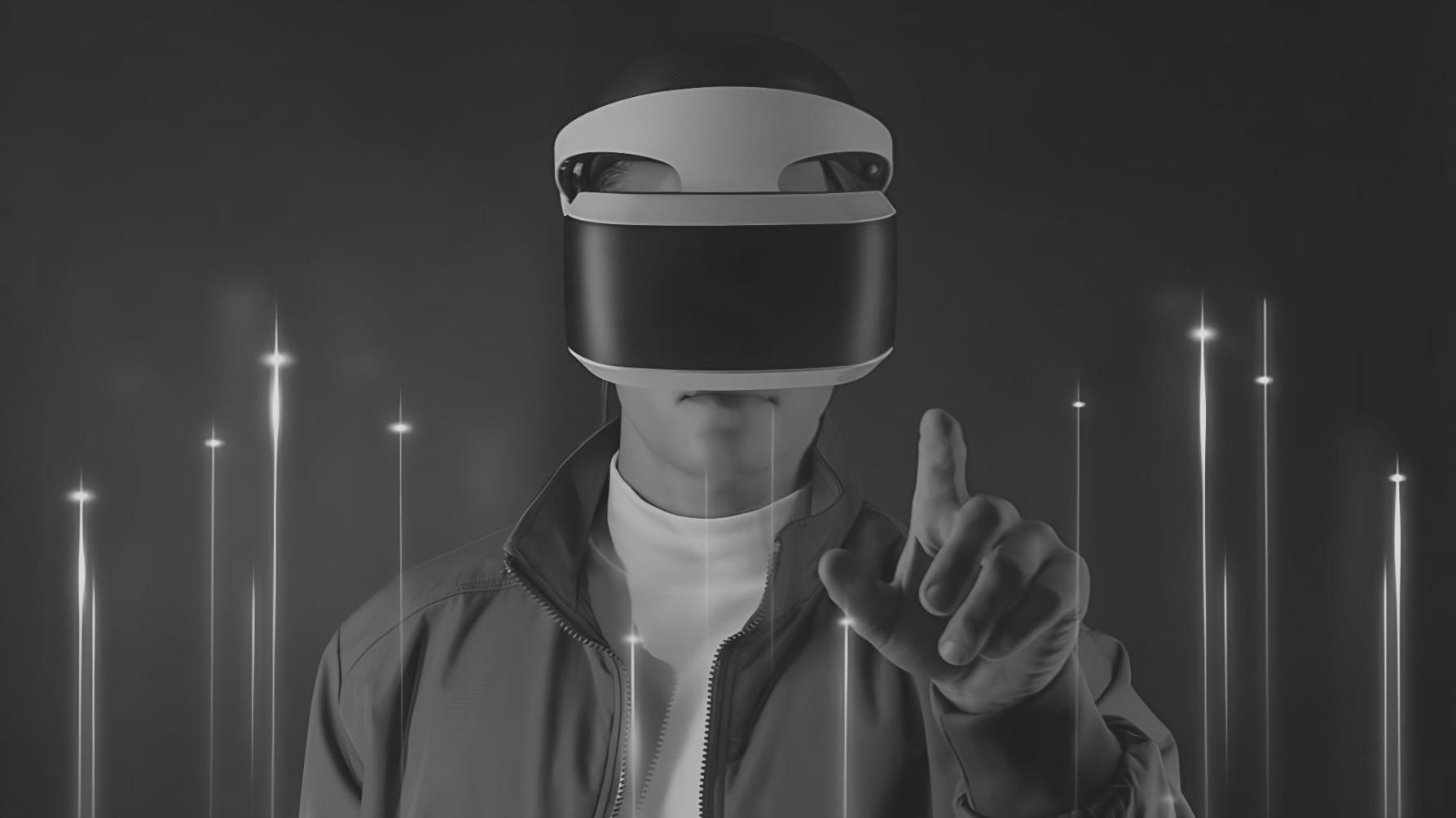
We started Studorothydix in 2014 because online education felt disconnected and passive. Now we're building VR experiences where students interact with concepts instead of just reading about them. Our platform combines immersive environments with quick feedback loops that actually keep people engaged.
Why we built this differently
Traditional e-learning platforms present information linearly. You watch a video, read text, maybe answer a multiple-choice question. We noticed students weren't retaining much because they weren't doing anything with the material. VR changes that dynamic completely. When you're walking through a virtual lab or manipulating 3D models of anatomical structures, your brain processes information through spatial memory and physical interaction. The retention rates we see are significantly higher because students are experiencing concepts rather than observing them.
Our quiz system adapts in real time based on how students perform. If someone struggles with a concept, the platform automatically provides additional practice scenarios before moving forward. We've also added gamification elements that track progress without making it feel like arbitrary points. Students see their knowledge map expand as they master new topics, which creates motivation that actually comes from understanding the subject better. The platform scales across Ukraine's regions through cloud infrastructure, so a student in Kryvyi Rih gets the same experience as someone in Kyiv.
What makes our approach work
These aren't mission statement buzzwords. They're the technical and pedagogical decisions that shape how we build features and structure content.
Interaction Over Observation
We design scenarios where students manipulate variables and see immediate results. Physics simulations let you adjust mass and velocity to understand momentum. Chemistry modules have you combine elements and watch reactions unfold in 3D space. This active participation creates understanding that passive video watching can't match.
Instant Feedback Loops
Our testing system doesn't wait until the end of a module to tell you what you missed. When you answer incorrectly, you get contextual explanation immediately and a chance to apply the correct approach in a new scenario. The system tracks which concepts need reinforcement and automatically adjusts the difficulty curve as you progress.
Scalable Infrastructure
We run on cloud architecture that handles thousands of concurrent VR sessions without lag spikes or quality degradation. Students across different regions connect to optimized servers that maintain consistent frame rates and low latency. The platform adjusts rendering quality based on individual connection speeds to ensure everyone can participate effectively.
How we got here
Founded Studorothydix in Kryvyi Rih with initial focus on traditional quiz-based learning. Started with basic multiple-choice tests and text explanations. Realized students needed more interactive engagement after analyzing completion rates and feedback patterns.
Began experimenting with 3D visualizations for science courses. Built prototype modules that let students rotate molecular structures and explore anatomical models. Saw immediate improvement in retention metrics, which validated the spatial learning approach we wanted to pursue.
Launched first full VR curriculum covering physics and chemistry fundamentals. Developed adaptive testing algorithms that adjust difficulty based on individual performance patterns. Expanded server infrastructure to support growing student base across multiple Ukrainian regions.
Introduced gamification elements that track knowledge acquisition through visual skill trees. Students can see exactly which concepts they've mastered and where gaps remain. Added collaborative VR environments where multiple students can work through problems together in shared virtual spaces.
Continuously expanding our VR content library and refining adaptive learning algorithms. Our platform now serves students across Ukraine with specialized courses in sciences, mathematics, and technical subjects. We're focused on building more sophisticated simulation environments that handle complex multi-variable scenarios.
Our learning environments in action